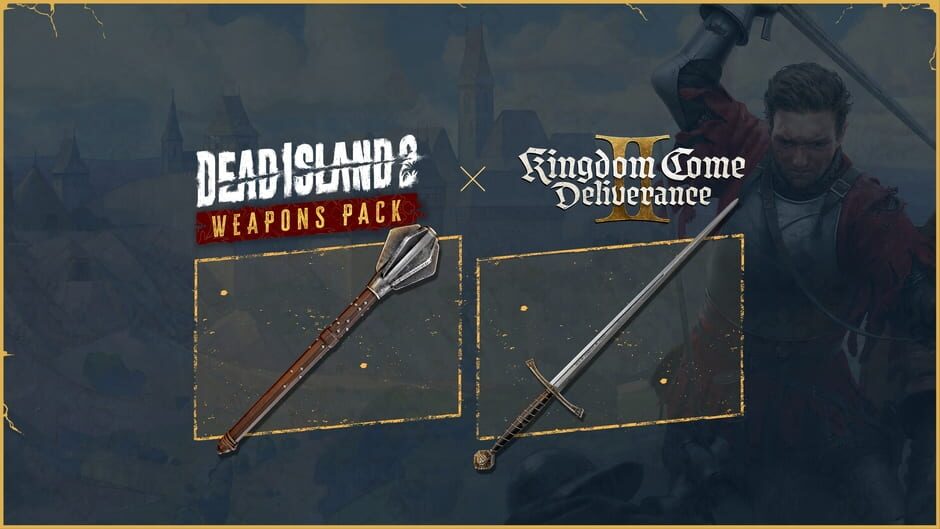
Current Competitive Landscape of Kingdom Come: Deliverance II
As of May 18, 2026, Kingdom Come: Deliverance II boasts a concurrent player count of 9,446, reflecting a 2% increase from the previous week. This suggests a stable engagement trend, likely fueled by recent community feedback and developer communication efforts. The developer, Deep Silver Dambuster Studios, has actively addressed player concerns regarding game mechanics and balance, fostering a responsive environment that encourages player retention.
The game’s design incorporates a rich narrative and complex mechanics, which appeal to both casual and competitive players. The balance between story-driven gameplay and skill-based challenges allows for diverse player engagement, making it a noteworthy title in today’s competitive landscape. Players are encouraged to explore various strategies, enhancing the game's depth and replayability.
A critical aspect of Kingdom Come: Deliverance II's competitive ecosystem lies in its patch cadence. The developer's timely updates and responsiveness to community feedback have established trust and loyalty among players. Monitoring this relationship will be essential in evaluating the long-term health of the game's competitive scene.
Current Competitive Landscape of Clair Obscur: Expedition 33
In contrast, Clair Obscur: Expedition 33 currently experiences a decline in player engagement, with a concurrent player count of 3,846, down 10.7% from the previous week. This notable decrease may indicate underlying issues related to player satisfaction, possibly stemming from a lack of effective communication from Sandfall Interactive or unmet player expectations regarding game updates.
The game is celebrated for its innovative mechanics and artistic presentation, but the decline in player numbers suggests that the competitive ecosystem may not be thriving as anticipated. Recent updates, including the first-anniversary patch, aimed to address technical issues and introduce new content, yet player engagement has not rebounded significantly, warranting further investigation into player sentiment.
Understanding the motivations behind player attrition in Clair Obscur: Expedition 33 is vital for the developer. Analyzing community feedback and adapting to player needs could potentially reverse this downward trend. This situation illustrates the importance of ongoing developer engagement and the need for a robust communication strategy to maintain a healthy competitive ecosystem.
System Design Comparison: Engagement and Retention Strategies
The competitive systems of both games exhibit distinct design philosophies influencing player engagement. Kingdom Come: Deliverance II emphasizes a blend of narrative-driven experiences and strategic depth, appealing to a broad audience. The incorporation of RPG elements combined with real-time decision-making creates a rich environment for competition and collaboration.
Conversely, Clair Obscur: Expedition 33, while innovative in its artistic approach, has not successfully translated this into sustained player engagement. The game’s mechanics, though unique, may not provide the same level of competitive satisfaction as those in Kingdom Come: Deliverance II. This discrepancy highlights the critical role that system design plays in fostering a vibrant competitive community.
Further analysis of player feedback trends can provide insights into how each game’s design affects retention. Games that successfully integrate community input into their design process tend to see better retention rates, suggesting that adaptation is crucial for long-term success in competitive gaming.
Developer Communication: A Key Factor in Competitive Health
Effective communication strategies are paramount in maintaining a healthy competitive ecosystem. Kingdom Come: Deliverance II has demonstrated a commitment to transparency, regularly updating players on development progress and addressing concerns. This proactive approach fosters goodwill and encourages ongoing player engagement, as evidenced by the positive player metrics.
In contrast, Clair Obscur: Expedition 33’s communication strategy appears less effective. Recent player feedback indicates a desire for more frequent updates and clearer communication regarding game direction. This gap may contribute to the current decline in player engagement, underscoring the importance of responsive developer-player relationships in competitive contexts.
As players increasingly expect real-time interaction with developers, adapting communication strategies to meet these expectations will be essential for Clair Obscur: Expedition 33. Regular updates and community involvement can help rebuild trust and enhance player retention.
Why This Matters
Understanding the competitive dynamics between Kingdom Come: Deliverance II and Clair Obscur: Expedition 33 can provide valuable insights for players and developers alike. The contrasting player engagement metrics highlight the impact of effective communication and system design on a game's competitive health.
For players, recognizing the underlying factors influencing engagement can inform their choices regarding which games to invest time and resources. Additionally, developers can learn from these comparisons to refine their strategies and improve player experiences.
As the gaming landscape continues to evolve, maintaining a focus on player satisfaction and responsiveness will be crucial for sustaining competitive ecosystems. By examining these two titles, we gain a clearer understanding of what drives engagement and how developers can adapt to meet evolving player expectations.