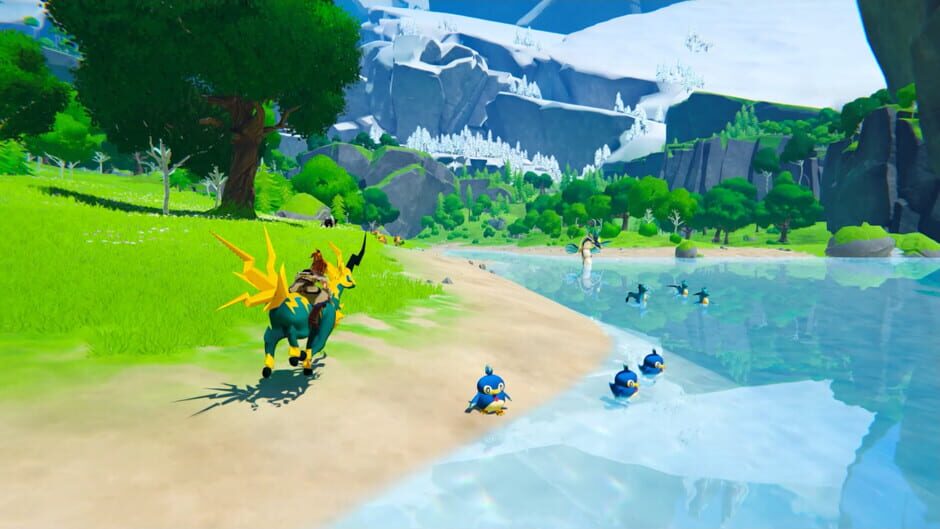
Version 1.0 Release Overview
On July 10, 2026, Palworld transitioned from early access to full release, marking a significant milestone for developer PocketPair. This version 1.0 update introduced numerous features and system mechanics that fundamentally alter the gameplay experience. Among the highlights are new Pals, adjusted mechanics for team dynamics, and an overall refinement of system interactions. This transition is pivotal as it sets the stage for long-term competitive viability.
The competitive landscape of Palworld now pivots on how these new mechanics interact with existing strategies. The introduction of 72 new Pals and revamped gameplay features creates an expanded tactical framework for players. Players must now reassess their strategies to integrate these changes effectively into their gameplay. This has implications for both casual and competitive play, as long-term strategies may need reevaluation.
From a technical perspective, the system changes in version 1.0 focus on enhancing player engagement through improved mechanics. The game's economic system, which governs resource management and Pals’ utility, has been adjusted. This change aims to balance gameplay while encouraging diverse strategies among players. The community's adaptation to these changes will be a key area to monitor in the coming weeks.
Mechanical Implications of System Changes
The mechanics of Palworld underwent significant revisions with the 1.0 update. Notably, the Pals' capabilities have been expanded, allowing for more varied strategies in team composition. This is crucial as players now have access to a broader range of abilities that can be mixed and matched, potentially leading to a richer competitive experience. The changes encourage experimentation, which can lead to emergent strategies that redefine the meta.
Additionally, the economic adjustments to resource management mean that players must now consider their decisions more carefully. The implementation of new systems for base defense and resource allocation fundamentally alters how players approach challenges within the game. The strategic depth added by these mechanics can lead to more nuanced gameplay, with players needing to plan several steps ahead to optimize their performance.
Moreover, the introduction of in-game voice chat for dedicated servers represents a significant shift in how players communicate and strategize in real-time. This feature, while optional, could enhance team play and collaboration, fostering a competitive atmosphere that rewards teamwork and strategic planning. How players leverage this capability will be pivotal in shaping the competitive meta.
Patch History and Context
Palworld's development trajectory has been marked by a gradual evolution through its early access phase, which began in January 2024. During this time, the developers focused on community feedback to refine core systems. The transition to version 1.0 represents not just a technical upgrade but a culmination of iterative changes based on player input and competitive dynamics observed during the early access period.
Historical data indicates that players engaged deeply with the early access version, leading to significant community-driven discussions around balance and gameplay. This feedback loop has shaped the current iteration of the game, with many adjustments made to ensure a more balanced competitive framework. Understanding the patch history provides insight into how the developers have prioritized player engagement and systemic balance.
The version 1.0 launch builds on this foundation, aiming to solidify Palworld's position in the competitive landscape. The developers appear committed to maintaining an ongoing dialogue with the community, which is essential for the game's long-term success. The post-launch phase will likely see continued adjustments as the community actively engages with the new content.
Competitive Meta Implications
The competitive meta of Palworld is likely to shift significantly following the 1.0 update. With the introduction of new Pals and mechanics, players will need to adapt their strategies to remain competitive. The current data suggests a healthy player engagement with peak concurrent players reaching 795,433 shortly after launch. This indicates strong interest in the new content and suggests a vibrant competitive ecosystem.
Players are likely to explore new team compositions and strategies as they experiment with the updated mechanics. The previous meta, heavily influenced by the limited Pals available during early access, will likely be disrupted. As players discover optimal combinations and strategies, we can anticipate a dynamic and evolving competitive landscape over the coming weeks.
However, it is essential to monitor how quickly players adapt to these changes. The initial excitement may lead to a flurry of innovative strategies, but sustained engagement will depend on the developers' responsiveness to any balance issues that arise. Historical patterns show that games with active developer support and community involvement tend to maintain a healthy competitive environment.
Community Engagement and Sentiment
Community sentiment surrounding the launch of version 1.0 has been mixed but largely positive. Player reviews indicate high levels of engagement, with sentiment scores reaching 0.941. This suggests that players are generally satisfied with the changes, although there are concerns regarding balance and the potential for overpowered Pals to disrupt competitive play.
Engagement metrics on platforms like Twitch further illustrate the game's strong community presence, with viewer counts peaking at over 36,720 concurrent viewers. This level of engagement is indicative of a healthy interest in the game, particularly from competitive players and streamers who often shape the meta through their gameplay.
As community discussions evolve, it will be essential to watch for feedback on perceived balance issues. Players may begin to identify dominant strategies or Pals that overshadow others, which could necessitate further adjustments by the developers. The ongoing dialogue between the community and developers will be crucial in maintaining player trust and engagement.
What This Means for Players
For players, the launch of Palworld version 1.0 represents both an opportunity and a challenge. The expanded roster of Pals and revamped mechanics invite exploration and experimentation, encouraging players to innovate and adapt their strategies. However, with these changes come the responsibility to navigate a potentially shifting competitive landscape.
Players should remain vigilant in observing the meta as it develops. Engaging with the community and sharing insights will be essential in identifying effective strategies and counter-strategies. The collaborative nature of the game encourages players to communicate, share tips, and refine their approaches based on collective experiences.
Ultimately, players must be prepared for a period of adjustment as the competitive meta solidifies. The next few weeks will be critical in determining which strategies emerge as dominant and how the community responds to these shifts. Staying informed and adaptable will be key to thriving in Palworld's evolving competitive environment.
Why This Matters Now
The transition to version 1.0 in Palworld is a pivotal moment not just for the game but for its competitive community. As the player base explores new mechanics and strategies, the outcomes will shape the future of gameplay and competitive balance. Understanding these changes now allows players to prepare for the evolving meta and engage more meaningfully with the game.
Moreover, the success of this update could set a precedent for other games transitioning from early access to full release. It highlights the importance of community feedback in shaping game design and balance, demonstrating how developers can effectively engage with their player base to create a more rewarding competitive experience.
As players dive into the new features, their experiences and feedback will be instrumental in guiding future updates and balancing efforts. This ongoing interaction between players and developers will not only enhance the game's longevity but will also foster a more robust competitive ecosystem.