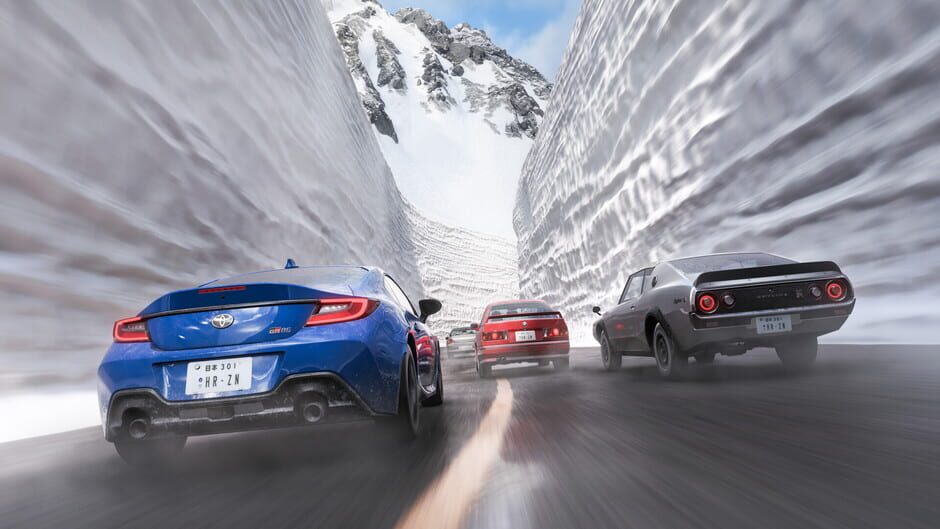
Understanding the Ranked System
The ranked system in Forza Horizon 6 is designed to provide players with a structured competitive environment. Players are assigned ranks based on their performance in races, which include various metrics such as win rates and lap times. This system aims to ensure that players face opponents of similar skill levels, enhancing the competitive experience.
Rank progression is determined through a combination of factors, including performance in both solo and team events. Players earn points for victories, while losses can lead to point deductions, making the stakes high for each match. The system also integrates a tiered structure, where players can rise through ranks from Bronze to Platinum, each tier representing a different level of skill and commitment.
However, the mechanics behind rank placement can lead to inconsistencies. For example, factors such as matchmaking latency or server issues can impact a player's performance, resulting in rank placements that do not accurately reflect skill levels. This issue is exacerbated during peak times when server performance may be compromised, affecting the overall experience.
Recent Player Engagement Trends
As of July 15, 2026, Forza Horizon 6 recorded a concurrent player count of 23,261, down from a peak of 32,689 just a week earlier. This represents a significant decline of 28.8% in player engagement during the most recent week. Such a drop raises questions about the game's retention strategies and the effectiveness of its ranked system to engage players long-term.
Player feedback indicates that while the ranked system is appreciated for its competitive spirit, players are also expressing concerns regarding matchmaking quality. Many report experiencing long wait times and mismatched skill levels in their matches, which can discourage new players from engaging with ranked modes. This could be a critical factor in the observed decline in player numbers.
The drop in player engagement may also reflect broader trends in the gaming community, such as seasonal fluctuations in player interest or competition from other titles. Understanding these dynamics is essential for developers to adjust the ranked system accordingly and retain player interest.
Rank Inflation and Its Implications
Rank inflation is a notable concern within the Forza Horizon 6 ranked system. This phenomenon occurs when the overall skill level of a player base increases, yet the ranking thresholds remain unchanged. As a result, players may find themselves achieving high ranks despite not demonstrating skill levels consistent with those ranks.
The implications of rank inflation are significant. For one, it can lead to a lack of satisfaction among players who genuinely improve but do not see corresponding progress in their ranks. Additionally, this can create an environment where lower-skilled players are pitted against higher-skilled opponents, leading to frustrating gameplay experiences.
To combat this issue, developers need to reassess the metrics used for rank determination and possibly implement more dynamic systems that adapt to player performance over time. Adjusting rank thresholds based on collective player performance data could help maintain a more accurate reflection of player skill levels.
Matchmaking Quality Under Scrutiny
The quality of matchmaking in ranked play is crucial for sustaining player engagement. Players expect to face opponents of similar skill levels to ensure balanced and competitive races. However, recent reports suggest that matchmaking in Forza Horizon 6 is inconsistent, with players frequently encountering mismatched skill levels.
This inconsistency can lead to experiences where lower-ranked players are matched against seasoned veterans, resulting in one-sided races that do not reflect the intended competitive nature of the ranked system. Such experiences can discourage players from participating in ranked modes, leading to further declines in player engagement.
Developers must prioritize improving matchmaking algorithms, possibly incorporating more sophisticated analytics that consider player behavior patterns, win rates, and recent performance trends. By ensuring that players are matched more accurately, developers can enhance the overall competitive experience.
Why This Matters
Understanding the intricacies of Forza Horizon 6’s ranked system is essential for both players and developers. As the competitive landscape continues to evolve, the health of the ranked system directly affects player retention and engagement. The recent decline in player counts could be indicative of broader systemic issues that need addressing.
Players need reliable matchmaking and a fair ranking system to feel motivated to engage in competitive play. Developers must listen to community feedback and adapt the ranked system to meet player expectations. Failure to do so could result in a significant loss of interest in ranked modes, particularly as players seek out other gaming experiences that offer similar competitive structures.
In summary, a thorough examination of the ranked system in Forza Horizon 6 reveals a need for ongoing adjustments to maintain player interest and satisfaction. As the game continues to evolve, ongoing analysis will be vital to understanding how these systems impact the player base.