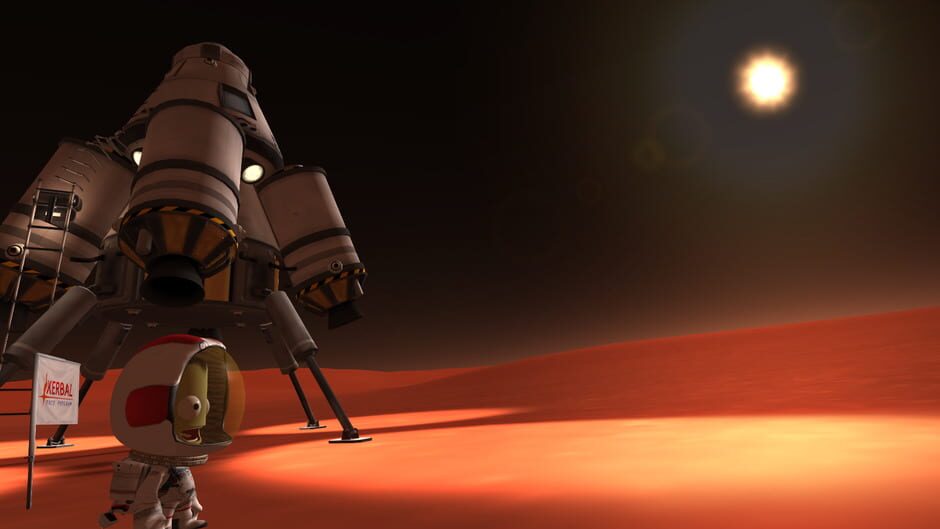
The State of Play One Month Post-Launch
As of October 20, 2026, Kerbal Space Program 2 has engaged an average of 2,782 players concurrently, reflecting a robust 22.3% increase from the previous week. This growth signals that the game's unique approach to space exploration is resonating with both new and returning players, a crucial factor in the sequel's ongoing success.
What this reveals is not merely a resurgence of interest in the Kerbal franchise, but an opportunity to assess the design choices that underpin the player experience. The sequel's mechanics, which build upon the established formula of its predecessor, invite players to engage with complex spaceflight dynamics while balancing accessibility for newcomers.
Design Decisions and Player Engagement
The design of Kerbal Space Program 2 emphasizes realism, a hallmark of the franchise that appeals to a niche of players who thrive on the challenges of physics-based simulation. The recent player data suggests that this focus on intricate mechanics has not alienated casual gamers; rather, it has created a bridge between hardcore fans and those new to the genre. The thoughtful integration of tutorials and assistance tools demonstrates an understanding of player psychology, inviting exploration without overwhelming novice users.
However, this balance is delicate. The complexities inherent in crafting rockets and navigating celestial bodies can lead to frustration if not adequately supported by the game's systems. Thus, the player experience hinges on the developers' ability to provide meaningful feedback and assistance without detracting from the sense of achievement that comes from mastering the mechanics.
Cultural Context and Player Expectations
Kerbal Space Program 2 launched into a landscape marked by increasing player expectations for both depth and accessibility. The gaming community has been vocal about the desire for games that respect players' time while also offering rich, engaging experiences. This cultural backdrop influences not only how players perceive the game but also how they interact with its systems. The recent uptick in player counts could be seen as a validation of the developers' choices to cater to these expectations.
Moreover, as studios grapple with balancing monetization with player satisfaction, Kerbal Space Program 2's approach to in-game purchases-focusing on cosmetic enhancements rather than pay-to-win mechanics-positions it favorably in the current discourse on ethical monetization in gaming.
Why This Matters
The success of Kerbal Space Program 2 raises essential questions about the future of simulation games and their design philosophies. As players increasingly seek immersive experiences that do not sacrifice accessibility, the industry may need to reevaluate traditional gameplay structures. The game's ability to retain players despite its complexities suggests a hunger for depth that is counterbalanced by a desire for user-friendly design.
What this means for developers is clear: understanding player psychology and community expectations is paramount. Games that can successfully engage players through thoughtful design will not only thrive but can also set new benchmarks for what is possible within their genres.
Looking Ahead: The Future of Kerbal Space Program
As Kerbal Space Program 2 continues to evolve, its developers face the challenge of maintaining momentum. The roadmap for future updates and expansions will be crucial in sustaining player interest and engagement. The community's response to recent updates will be telling; players are likely to remain vocal about their needs and desires.
The key takeaway for the developers is to harness the power of player feedback. By continuing to refine gameplay mechanics and address community concerns, they can ensure that Kerbal Space Program 2 not only remains relevant but also continues to challenge and inspire its audience.