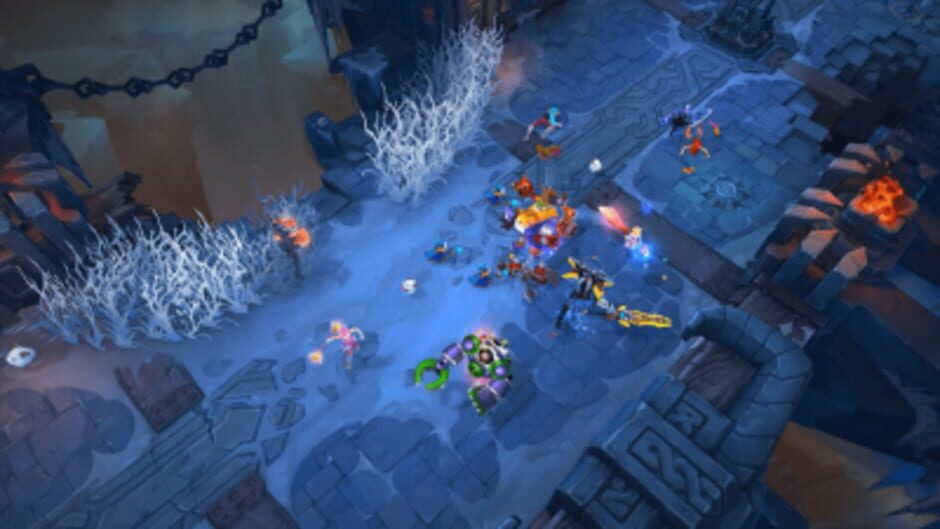
Server Overload Issues
League of Legends has recently faced significant server overload issues, as reported by various user monitoring platforms. According to data from isitdownrightnow.app, user reports indicated 313 problem reports in the last hour, a stark increase from the typical 15 problem reports during usual peak hours (source_id: search_007). The surge in connection issues has led to considerable player frustration, particularly following a weekend of heightened gaming activity.
Development and Feature Delays
Compounding the situation, Riot Games has announced delays in the release of new champions and features. This includes a highly anticipated integrated voice communication system that was expected to enhance gameplay experience but has been indefinitely postponed (source_id: search_024). The community has reacted negatively to these delays, with many players expressing concerns over the slower pace of updates and new content.
Community Backlash
The delays and server issues have led to increased backlash from the League of Legends community. Players have taken to forums and social media to voice their dissatisfaction, with many citing a perceived lack of communication from Riot regarding future game updates (source_id: search_013). The frustration is compounded by the absence of substantial content additions, leading some players to wonder if the development team is struggling with internal operational issues.
Comparative Context
Historically, Riot Games has faced criticism for its handling of server stability and community communication, particularly during times of high player engagement. This recent wave of server issues mirrors past instances where Riot struggled to maintain service quality amid significant player growth, particularly during large-scale esports events (source_id: search_032). The current situation raises questions about whether Riot's infrastructure is equipped to handle the increasing demands of its player base.
What This Means
The ongoing server issues and development delays may have broader implications for Riot Games and its ability to retain players in a competitive market. As other games continue to innovate and expand their offerings, maintaining player trust and satisfaction becomes paramount. The situation suggests that Riot may need to reassess its operational strategies to effectively manage player expectations and infrastructure demands in the future.
Unanswered Questions
Several key questions remain regarding Riot Games' response to the current challenges. What specific steps will Riot take to address the server overload issues? How will the company improve communication with its player base moving forward? Additionally, what factors have contributed to the delays in champion releases and feature rollouts? Understanding these dynamics will be crucial for the community as it navigates the evolving landscape of League of Legends.