Roundtable Dynamics: A Chaotic Exchange
This session was anything but orderly, as the panelists jumped into the topic of player engagement metrics for top-selling games with fervor. Even before the formal introductions could wrap, the room buzzed with anticipation, ready to dissect the latest data from Steam's top sellers.
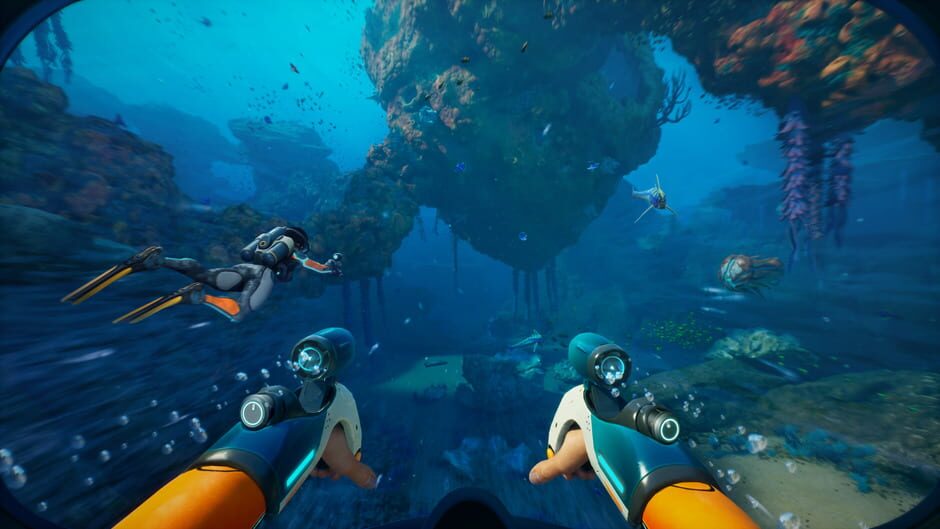
Adrian Cole led off with a straightforward assertion about Subnautica 2 and its current ranking. 'Clearly, Subnautica 2's marketing strategies have pushed it to the top,' he stated, setting the stage for what would become a relentless back-and-forth.
Miriam Vance quickly countered with a more nuanced view. 'It’s not just marketing, Adrian. The data suggests a shift in what players want. They are looking for immersive experiences, and Subnautica 2 delivers.' The subtlety of her point cut the tension, if only momentarily.
Julian Hart, ever eager to dive deeper, interjected, 'But are we really on track to understand these trends? What do we make of Slay the Spire 2? Its downfall demands a serious design critique.' The pace quickened as each panelist attempted to find their footing amid the rising voices.
The Spotlight on Subnautica 2
With the conversation swiftly steering towards Subnautica 2's engagement metrics, Adrian focused on player numbers. '184,464 concurrent players! That's our leading indicator here,' he exclaimed, further pushing his view that successful marketing can single-handedly elevate a game’s status.
'Yes, but does that sustain?' Vance pressed, illustrating the issue of player retention that many titles face. Her insight grounded the discussion, offering a counterweight to Cole’s marketing-centric argument.
'Player behavior in a crowded market is unpredictable,' Monroe pointed out, as he pulled data to substantiate a growing trend toward exploration genres. The atmosphere thickened as everyone wrestled with the implications of these data points.
Market Variations Tell a Story
The discussion turned towards other titles, with Slay the Spire 2 taking center stage. Cole remarked on its dwindling player base, 'Down 12% week over week! That’s alarming.' This was where things started to fragment, with panelists chipping in with their varied takes.
'I think it's tied to design flaws in the roguelike mechanics,' Hart pushed back, veering more towards a creative critique. Vance stood firm, suggesting a combination of external competition and possible fatigue among players could be at play.
Monroe hadn't gotten a word in for several minutes; finally, he seized the opportunity to interject, 'They're missing the point on community engagement. If developers don't listen to feedback, they risk losing players entirely.'
A Tug of War Over Engagement
Their debate sharpened with each assertion, but Clara Bennett held fast to her point focusing more on the player experience. 'At the end of the day, we must consider what players feel,' she asserted, anchoring the discussions to human-centric values amidst a sea of data.
'That's always true, Clara,' Cole responded, half-annoyed, 'but if the players aren't showing up, does it even matter how they feel?' This exchange illustrated the friction between subjective player experience and the hard data the others were offering.
The conversation swayed about lost opportunities and lingering questions as the panelists attempted to tackle the underlying reasons for player engagement or disengagement.
Where We Lost the Thread
As they ventured deeper into specifics about ARC Raiders and its player growth, it quickly became evident the session had lost its original rhythm. Adrian had somewhere mentioned viewer counts without a clear segue, prompting entire side arguments about marketing versus grassroots engagement.
This is where things went sideways. Vance had found something in corporate filings mid-session regarding ARC Raiders and wanted to elaborate further, but Cole simply waved it away, dismissing any deviations from their original agenda.
Julian, sensing a point had been overlooked, argued back, 'But isn’t this indicative of broader trends? We can’t ignore that.' The lack of direction became palpable, as I attempted to steer them back to agreed topics—no acknowledgment came, only more layers of debate.
Clara then seized this moment to pull it back to player experience, suggesting that their diverging opinions reflected deeper disconnects in how they perceived player agency. A rabbit hole of player motivations took form, leading us into yet another chaotic tangent.
With everyone clamoring to get in their rebuttals, I ultimately felt the session veering irreversibly off-topic, and the original questions about sales and player dynamics were left hanging in the air. Before I knew it, we were deep into discussions of player psychology rather than market metrics.
What We Agreed On, Eventually
Although the chaos was palpable, amongst the scattered thoughts lay moments of clarity. The consensus around the imbalance of player feedback in game design surfaced a few times. Vance and Hart shared agreement that titles should adapt quickly to meet evolving player expectations continuously.
Additionally, they all recognized the importance of community engagement strategies—not just for retention but also for instilling loyalty among players. Monroe effectively made this point, echoing the sentiments of others at various junctures.
Also undeniable was the impact Subnautica 2's rise foreboded for the market. The group converged on the notion that its early success could be heralding significant trends within gaming, particularly for titles emphasizing player agency and exploration.
The Argument That Didn't End
The ongoing dispute over Slay the Spire 2 remained unresolved. Cole argued vigorously that its decline was a direct consequence of damaging press and market neglect, whereas Vance insisted the change stemmed from design missteps and poor community outreach. This stalemate led nowhere.
Despite the varied opinions, many assertions went unreferenced, as each argued passionately for their perspectives without any clear resolution. Without further data on player sentiment or engagement metrics available, they couldn't land on a shared perspective to move forward.
Thus, the core issue surrounding Slay the Spire 2 lingered in the room, echoing throughout our discussions, dazing us with doubts and complexities.
Final Thoughts: What We Learned
With the roundtable wrapping up, I had to note that while we might not have answered everything, we certainly explored a variety of vital topics concerning player engagement and industry dynamics. Each panelist brought something valuable to the table, effectively emphasizing areas for future consideration.
Adrian Cole's insights around market influence were critical as they flagged our concentration on numbers rather than narrative-based success. Vance constantly tightened the discussion back to factors that would clarify trends in player expectations.
Julian Hart, with his analytical eye, provided a multifaceted exploration of how to balance gameplay mechanics with storytelling nuances, while Monroe shined a light on emerging trends that may disrupt established titles. Clara consistently redirected discourse toward the active player experience, reminding us of the human stories within the metrics.
Consensus did not reign, and so many threads remain unresolved—this roundtable may just be a snapshot in time, but it's one that showed the complexity and dynamism of the gaming world. I left feeling both exhausted and intrigued, and even as we battled through chaos, the conversations remained deeply enlightening.
As I signed off the session, I felt that amidst this disarray, real insights into the gaming market emerged—and for that reason alone, it was wholly worth the time.