The Design of Engagement
Palworld, released on July 10, 2026, presents a compelling case study in player engagement through its multifaceted demands. With over 130,000 concurrent players as of September 1, 2026, the game has achieved substantial popularity on Steam, reflecting a successful fusion of monster-taming mechanics with survival elements. Yet, what is notable here is not merely its popularity, but the specific demands it places on players, shaping their experiences in profound ways.
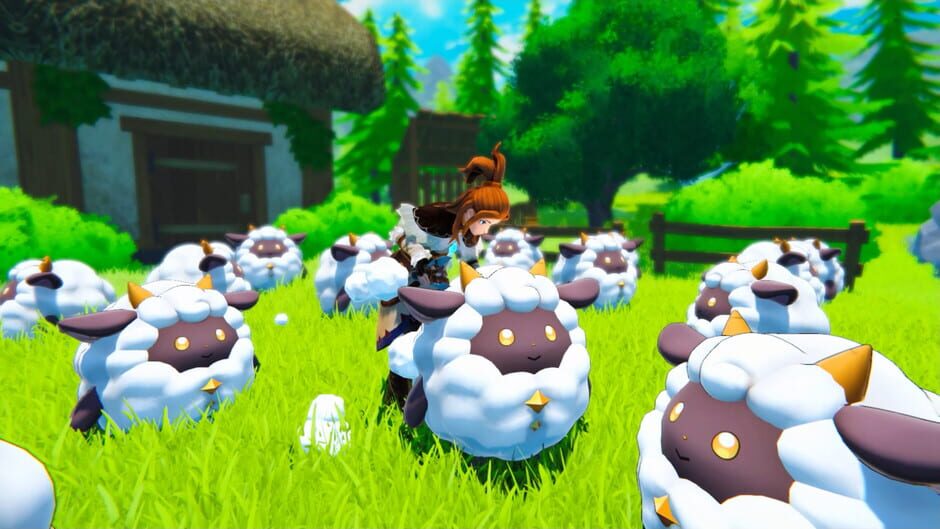
At its core, Palworld invites players into a vibrant, expansive world filled with creatures known as 'Pals'. However, the game's design intricacies require a significant investment of time and attention, as players must engage in various activities ranging from capturing and training Pals to building structures and defending against threats. This breadth of gameplay is not without its challenges; it demands a commitment to learning myriad systems, from combat mechanics to crafting recipes.
Time and Skill: The Core Demands
In this critic's assessment, Palworld's design intentionally prioritizes time investment as a core element of its gameplay. Players are not just casual participants; they are required to immerse themselves in the mechanics to progress effectively. As evidenced by the recent player count data, engagement levels are closely tied to the amount of time players are willing to dedicate. For instance, the game's ranking as a top seller on Steam indicates that a significant portion of the player base is actively seeking out these experiences, which require sustained involvement.
Moreover, the skill ceiling is notably high, as players must master various gameplay systems that intersect in complex ways. The crafting mechanics, for example, are integrated deeply with the creature collection aspect, meaning that a player’s ability to thrive in Palworld is contingent upon their willingness to learn and adapt. This complexity, while rewarding for dedicated players, may alienate those looking for a more casual gaming experience.
Emotional Investment and Player Relationships
What this reveals is that Palworld also demands emotional investment from its players, a facet that is often overlooked in discussions about game mechanics. The relationships formed with Pals, which players nurture and develop, are central to the game's emotional core. Players are not merely collecting creatures; they are engaging with the narrative of their growth and survival, which can evoke a range of feelings from joy to frustration. This emotional layer adds depth to the gameplay, as players must navigate the ethical implications of their actions within this vibrant ecosystem.
The recent controversies surrounding the game's perceived moral dilemmas, such as the treatment of captured Pals, further underscore the emotional stakes at play. These aspects require players to engage not just mechanically, but also reflectively, as they consider the implications of their choices within the game world.
Community and Collaboration: Social Dimensions
Additionally, Palworld encourages social interaction through cooperative gameplay, which adds another layer of demand on players. The game is designed to foster collaboration, whether in tackling challenges together or sharing resources. This demand for cooperation can enhance player experiences but also requires players to invest time in building social networks within the game. The community aspect is crucial; it creates a dynamic where players can share strategies, experiences, and even emotional responses to their adventures.
However, the necessity of collaboration may also create barriers for those who prefer solitary play styles. This duality in player experience highlights a significant design consideration: balancing individual agency with communal interaction to cater to diverse player preferences.
Conclusion: A Broader Implication for Gaming
Ultimately, Palworld serves as an example of a game that demands much from its players, pushing them to invest time, skill, and emotional energy into their experiences. In light of the recent player engagement data, it is worth asking whether such demands are becoming the new standard in game design, particularly within the monster-taming genre. As games continue to evolve, they are increasingly asking players to commit not just to their mechanics, but to the narratives and relationships that underpin their worlds.
The larger question this piece raises is how future titles might balance these demands with accessibility, ensuring that while they engage deeper players, they do not alienate those who might be drawn to lighter, more casual experiences. As Palworld continues to navigate these waters, its design philosophy will undoubtedly influence the expectations and standards of the genre.