Introductory Thoughts
This roundtable was far from orderly, as the panel quickly veered from topic to topic. With multiple rising stars in this week's Steam top sellers, emotions were high, and debates fierce. Adrian Cole zoomed in on the numbers while Julian Hart waxed poetic about the aesthetic choices in Palworld, both of which were enlightening, though not always at the same time.
As everyone fought to present their points, the chaos revealed important insights. Miriam Vance set a steady pace but got momentarily sidetracked examining corporate strategies mid-conversation, diverting attention from the actual ranking metrics up for discussion.
If nothing else, today’s discussion proved one thing about our increasingly complex gaming ecosystem: finding the signals within the noise requires both clarity and patience. But patience wasn't exactly in abundance here.
Adrian Cole on the Numbers
Adrian opened with palpable urgency around Palworld's latest stats, asserting both its peak player count and its 6th place ranking among top sellers as indicators of robust market engagement.
'The current ranking tells us everything we need to know about market interest,' Cole stated. 'With 414,076 concurrent players, Palworld isn't just succeeding, it's thriving.'
Cole continued iterating the importance of these numbers, though his impatience for immediate agreement became evident when Julian attempted to introduce a design analysis into the conversation.
'We can't discount what the data says,' Cole insisted, when Hart interjected highlighting the game's aesthetics. 'Numbers shouldn't overshadow the quality of experience.' (I sensed an argument about to brew.)
Design Discussions with Julian Hart
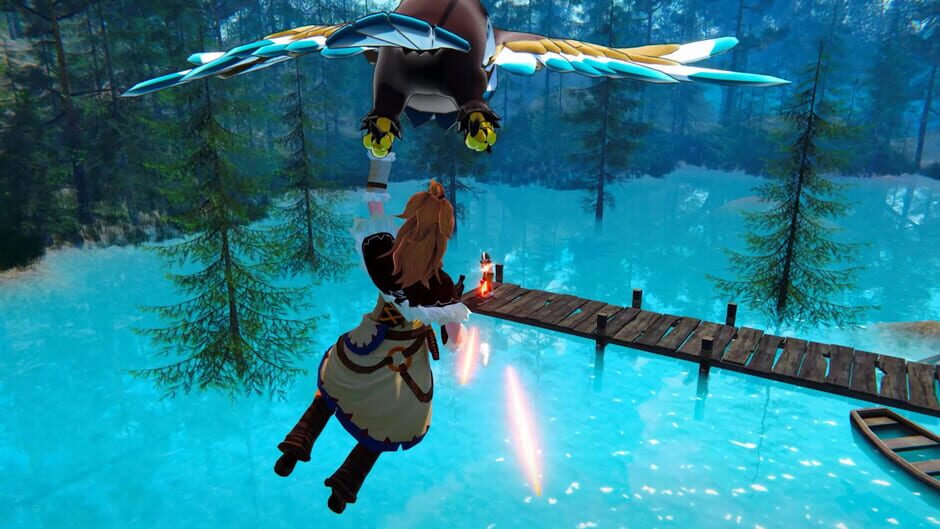
Julian Hart dove deep into Palworld's design choices, passionately outlining how aesthetics have driven player engagement. 'It’s not just player counts that matter; it's how players feel when they engage with the world!' he declared.
That sentiment puzzled Cole momentarily. 'While that sounds lovely, Julian, we’re measuring success here, not philosophy. Can the art save a faltering game when metrics drop?'
At this point, Clara Bennett shot back from the other side, 'Don’t discount the player experience. If more players feel empowered by creativity and aesthetics, it dramatically affects retention!'
So it went, with Cole trying to reign us back into quantifiable terms while Hart and Bennett championed resonance with player feelings, drawing me further into the talk.
Miriam Vance's Investigative Eye
Miriam took the floor unexpectedly when she pulled up findings on MECCHA CHAMELEON's decline, mid-session. 'Just look at these dropping numbers and the significant drop in player engagement—41%?'
Before she could bolster her argument, Cole reflexively jumped in. 'So it’s just dropped? That doesn’t explain **why**.' Vance wouldn’t back down. 'It indicates a lack of engagement strategies! The developers need to respond. Fast.'
(I realized I was losing control here, but the insights were worth the chaos.)
What followed felt festive: chaos blossomed around the idea that successful games aren't just about what appears in rankings but how developers engage with players' needs over time.
The conversation ricocheted off facts and feelings like a pinball machine—everyone taking shots at what misaligned decisions might have led to this trend.
Clara Bennett on Sustaining Sentiment
Clara shifted the focus back toward how player sentiment affects engagement stats—especially for Palworld. 'The positive review score of 94.1% signals potential for lasting player relationships,' she argued, compellingly weaving her argument against a backdrop of numerical decline they all acknowledged.
'But sustaining that sentiment is the real challenge,' she continued. 'How will they keep players engaged during dry patches? Developers must be proactive.' (I made a note to steer the conversation towards that pivotal question.)
Yet, enthusiasm surged as the floor opened to further clashes, including disagreements on if sentiment truly aligns with future sales. Everyone passionately cited examples of games they believed upheld or failed these values.
(This was not my usual editorial temperament, but it was welcomed today.)
Elias Monroe on Competitive Landscape
Elias shifted gears, emphasizing how MECCHA CHAMELEON might fare against initiating competition. 'While we speak about engagement here, one has to ask how competitors will shift the market dynamics in weeks to come.'
In a flurry, Vance brought the discourse back to the implications of community engagement, expressing skepticism about an immediate resurgence. 'Without timely updates, it's unlikely players will storm back.'
The ensuing discussion illustrated well how nuanced the paths forward were, though Elias's reminder of market pressures, fluctuating tides of interest, and adaptive strategies loomed large.
(I quietly worried we were running out of time and staying scattered.)
Unresolved Questions Take Center Stage
At some point, we lost the thread completely, entirely absorbed in the interspersion of unresolved questions. 'What do these dynamics mean for the long-term?' someone finally paused to ask, a unifying point amidst the scattered conversation.
Miriam seized the moment to reaffirm that tracking Palworld’s interactions would remain telling of ongoing market viability. 'What as developers can we fix or inflate opportunities around?'
Julian layered on top, proclaiming loudly, 'But isn’t creative integrity paramount? Let's not forget that behind the numbers lie creators' passion.'
It was a moment of silence before Clara redirected back into player feedback while the panel continued musing, underscoring player engagement's implication on design philosophy and development paths—a lot of food for thought.
(I had hoped to wrap this up; instead, we went around in circles, even without reaching some conclusions.)
What We Agreed On, Eventually
Despite the disarray, common ground finally emerged surrounding the significance of metrics as they pertained to player engagement and market presence.
Everyone articulated the necessity of understanding engagement on multiple fronts but converged around the threats posed by shifting player interests, which compounded further risks in MECCHA CHAMELEON’s downturn.
'Ultimately, it's players who define our success,' Clara noted, and everyone else seemed to nod in agreement, leading to a momentarily deep sigh of relief amidst the continued chaos.
The final points yielded essential reflections on how subjective experiences need quantifiable metrics to be understood—especially in competitive environments like Steam.
This consensus pointed not only towards accountability but also showcased our unified stance on leveraging gaming engagement data: essential for survival.
The Argument That Didn't End
One exchange resonated with me even as the discussion pressed. The ongoing dispute regarding player engagement metrics juxtaposed against subjective design choices left a lingering challenge hanging.
Julian’s assertion that engaging aesthetics may trump numbers created an authentic yet unresolved debate regarding design ethics. Meanwhile, Miriam argued for accountability to data as a crucial metric, and neither of them backed down.
As other panelists slipped into various tangents, I simply couldn't bring myself to interrupt or close a conversation dense with insights potentially worthy of report; players' experiences depend on both sides.
This unresolved duality proved that gaming design needs to embrace data while echoing players' emotional reflections—a contemplation left present in the air.
Closing Thoughts
As I finally visualized the end of this remarkable dialogue, I felt exhausted yet invigorated. It had been a whirlwind, with Cole backing up data, Hart advocating for aesthetics, Vance's scrutiny, and Monroe’s keen perspective on competition creating an electric atmosphere.
Each participant brought forth compelling arguments and industry insights, revealing the many layers within gaming's complex ecosystem. While divisions arose, so did curiosity for improvement and development respect.
I’m left pondering: what strategies emerging developers will adopt in an environment shaped by both design creativity and hard data over the coming months? This roundtable revealed the varied paths but left many understandings to explore further.
(The room had emptied, and though some voices lingered in memory, I felt the weight of these conversations far beyond late-night discussions.)