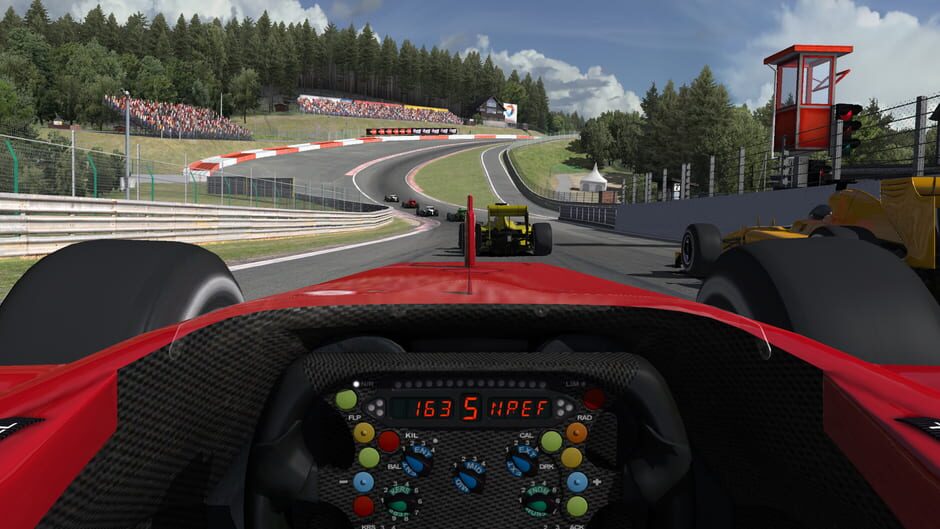
Understanding the Current Landscape of iRacing
As of July 8, 2026, iRacing has seen a notable peak of 916 concurrent players, an increase that reflects an 8.7% rise in engagement compared to previous weeks. This resurgence is particularly significant given the historical context of the game, which has been a staple in the racing simulation genre since its initial launch in 2008. The game’s sustained player interest suggests a robust community that continues to engage with the title despite the inevitable fluctuations seen in online gaming environments.
Moreover, the current player sentiment remains high, with a review score of 86.06%, which is indicative of a satisfied user base. This score, derived from over 5,000 reviews, not only emphasizes the quality of the gameplay experience but also reveals a community that values the intricate systems designed to enhance competitive racing. Such metrics warrant a closer examination of both the recent updates and the systemic structures that underpin player engagement.
The recent launch of Season 3 on June 10, 2026, introduced new content that likely contributed to this uptick in player counts. However, it is crucial to consider not just what has changed, but the broader implications of these alterations on the community dynamics and gameplay experience. The integration of new vehicles and tracks can momentarily excite players, but it raises questions about long-term engagement and the sustainability of this growth.
As we analyze these shifts, it is essential to ask: what exactly is driving this renewed interest in iRacing, and what does it reveal about the evolving expectations of players in the racing simulation genre?
Player Engagement Data: What It Reveals
The player engagement data for iRacing indicates a fluctuating yet resilient community. The concurrent player counts, which have ranged from 513 to 916 over the past week, demonstrate not only a healthy level of participation but also highlight potential issues with server stability that have been a part of the discussion recently. The community has reported various connection-related incidents, leading to what is known as the 'Connection Black Flag' system, a design decision aimed at ensuring a fair competitive environment.
In this critic's assessment, the implementation of such systems reflects a deep understanding of player psychology - the desire for fairness in competitive scenarios is paramount. However, these systems can also lead to frustration if players feel their experiences are being negatively impacted by technical issues beyond their control. This dichotomy illustrates the delicate balance developers must maintain between creating an engaging experience and managing the intricacies of online play.
The recent uptick in player counts could be attributed to the introduction of new content in Season 3, specifically the addition of two new GT3 cars: the Chevrolet Corvette Z06 GT3.R and the Ford Mustang GT3. These vehicles not only diversify the racing possibilities but also cater to a community eager for fresh experiences. However, the real question is whether these additions can sustain long-term interest, or if they will fade as novelty wears off, leading to potential declines in player engagement.
Ultimately, as we consider these metrics, we must scrutinize the underlying motivations of the player base. Are they driven by a desire for competition, community, or perhaps the sheer joy of racing? Understanding these motivations is crucial for both developers and critics alike as we navigate the complexities of the racing simulation landscape.
System Design and Player Experience
The design decisions surrounding player experience in iRacing are as multifaceted as the game itself. The competitive nature of racing simulations demands not only precision in vehicle dynamics but also an understanding of the social structures that form within the community. iRacing's design fosters a sense of camaraderie and competition, but it also places significant emphasis on player accountability through its connection systems. The emphasis on stability and reliability is a notable design decision that has ramifications for player satisfaction.
Critically, the Connection Black Flag system serves as both a safeguard and a potential point of contention. While it maintains the integrity of racing, it can frustrate players who experience connectivity issues. This duality raises an important question: does the pursuit of a perfectly fair racing environment come at the expense of player enjoyment? In this critic's assessment, the answer is not straightforward. The design philosophy should consider the balance between competitive integrity and player experience.
Furthermore, the introduction of new vehicles as part of the latest season demands that players adapt and recalibrate their strategies. This design choice reflects a sophisticated understanding of player dynamics; while new content can invigorate the community, it also requires players to engage cognitively with the game, fostering a deeper connection to the racing experience. The challenge lies in ensuring that these adaptations do not alienate segments of the player base who may favor stability over constant change.
Thus, as we dissect the layers of design within iRacing, we must consider how these elements interact with player engagement and satisfaction. What does it mean for a game to evolve in a way that respects both the competitive spirit and the emotional investment of its players?
The Community and Its Expectations
The community surrounding iRacing is a critical component of its ongoing success. With a player base that has demonstrated loyalty and engagement over the years, understanding the expectations of this community becomes paramount. With the introduction of Season 3, players are not just looking for new cars and tracks; they are seeking an experience that resonates with their passion for racing.
In recent discussions, players have expressed a desire for improvements in server stability, highlighting the importance of a seamless online experience. As evidenced by the reported connection issues, the community's tolerance for technical difficulties is waning. This sentiment is echoed in various forums and social media discussions, where players share their frustrations openly. The developers’ responsiveness to these concerns can significantly influence player retention and satisfaction.
Moreover, player expectations extend beyond mere technical performance. The desire for new content is coupled with a yearning for depth and complexity in gameplay. Players are increasingly looking for features that allow them to personalize their racing experience, whether through vehicle customization or enhanced social features within the platform. As iRacing aims to cater to these desires, it must remain vigilant against the risks of overstretching itself, diluting the core racing experience that has defined the franchise.
The community's evolving expectations prompt a broader question: how can developers balance the introduction of new features with the preservation of the core gameplay experience that has garnered such loyalty? This ongoing dialogue between developers and players is essential for the sustainability of iRacing as a leading title in the racing simulation genre.
Why This Matters
The shifts observed in iRacing's player engagement and community sentiment serve as a microcosm of broader trends within the gaming industry. As gaming becomes increasingly competitive, the expectations of players evolve in tandem. The challenges faced by iRacing highlight the necessity for ongoing dialogue between developers and their communities, emphasizing the need for responsiveness and adaptability.
Furthermore, as we analyze the data and community feedback, it is evident that player engagement is not solely driven by content updates. Instead, it is a complex interplay of community dynamics, technical performance, and the overarching design philosophy that governs player experience. This insight holds significant implications for developers across the gaming spectrum, especially those in competitive genres.
As iRacing continues to navigate its trajectory, it raises questions that extend beyond its own community: how do developers foster a sense of belonging and satisfaction in their players? How do they balance the need for innovation with the preservation of core experiences? These questions resonate throughout the gaming landscape, making iRacing's journey relevant to all who engage with interactive entertainment.
Ultimately, as we reflect on the current state of iRacing, we must remain attentive to the evolving landscape of player expectations. The ability to adapt and respond to these changes will determine not only the future of iRacing but also the broader trajectory of gaming as a whole.